The Fear That Holds Estheticians Back
You got into this industry because you love working with people. The idea of automating anything feels like it contradicts why you started. But here is the truth: spa automation and the human touch are not opposites. They are partners. The right automation frees you to be more present, not less. Platforms like SpaSphere are built on this philosophy--automate the logistics, protect the connection.
According to a McKinsey report on personalization, 71% of consumers expect personalized interactions from businesses, and 76% get frustrated when they do not receive them. The irony is that automation is what makes personalization at scale possible. Without it, you are too buried in admin work to personalize anything.
Automation does not replace the human touch. It removes the tasks that prevent you from delivering it.
Why This Matters for Solo Estheticians
If you are running a one-person spa, you are the front desk, the practitioner, the bookkeeper, and the marketing department. Every minute spent on scheduling confirmations, writing follow-up emails, or tracking client preferences is a minute you are not spending on the treatment room experience.
Administrative tasks add up faster than you notice. Run your own numbers: if admin takes 10 hours a week and your service rate is $120 per hour, that is $1,200 per week in potential revenue.
Automation does not take you out of the equation. It takes the busy work out of the equation so you can show up fully for every client who walks through your door.
What Automation Actually Looks Like in Practice
There is a misconception that automation means cold, robotic interactions. In reality, the automations that matter most in a spa are invisible to your clients--or they make the experience feel more thoughtful.
Appointment Reminders That Prevent No-Shows
When a client books with you, they receive a confirmation email immediately and a reminder email before their appointment. You did not write that email at 9 PM. You did not forget to send it because you were mid-facial. SpaSphere's Automated Reminders handle it, and your client shows up feeling expected and cared for. The result is fewer no-shows and a client who feels like you have your business together.
Client Notes That Make Every Visit Personal
You remember that your 2 PM client mentioned her daughter's wedding last visit. Or rather, your client management system remembers, because you typed a quick note after the appointment. When she sits down and you ask how wedding planning is going, that is not automation replacing warmth. That is automation enabling it.
Follow-Ups That Keep the Relationship Alive
A follow-up email two days after a chemical peel, checking in on how her skin is responding. You set that sequence up once. It runs every time. The client feels personally cared for. You did not have to remember to send it at 7 AM on a Tuesday. As we explored in our guide on esthetician client follow-ups, consistent follow-ups are one of the strongest retention tools available, and automation is what makes consistency realistic.
The Tasks Worth Automating (And the Ones Worth Protecting)
Not everything should be automated. The key is knowing what to hand off and what to hold onto.
Automate These
- Appointment confirmation and reminder emails
- Post-treatment follow-up sequences
- Birthday and milestone acknowledgments
- Intake form collection before appointments
- Rebooking nudges for clients who have not visited in 60+ days
Protect These
- The greeting when a client walks in
- The consultation before a treatment
- Product recommendations based on what you see and feel during the service
- The checkout conversation and rebooking discussion
- Handwritten thank-you notes for special clients
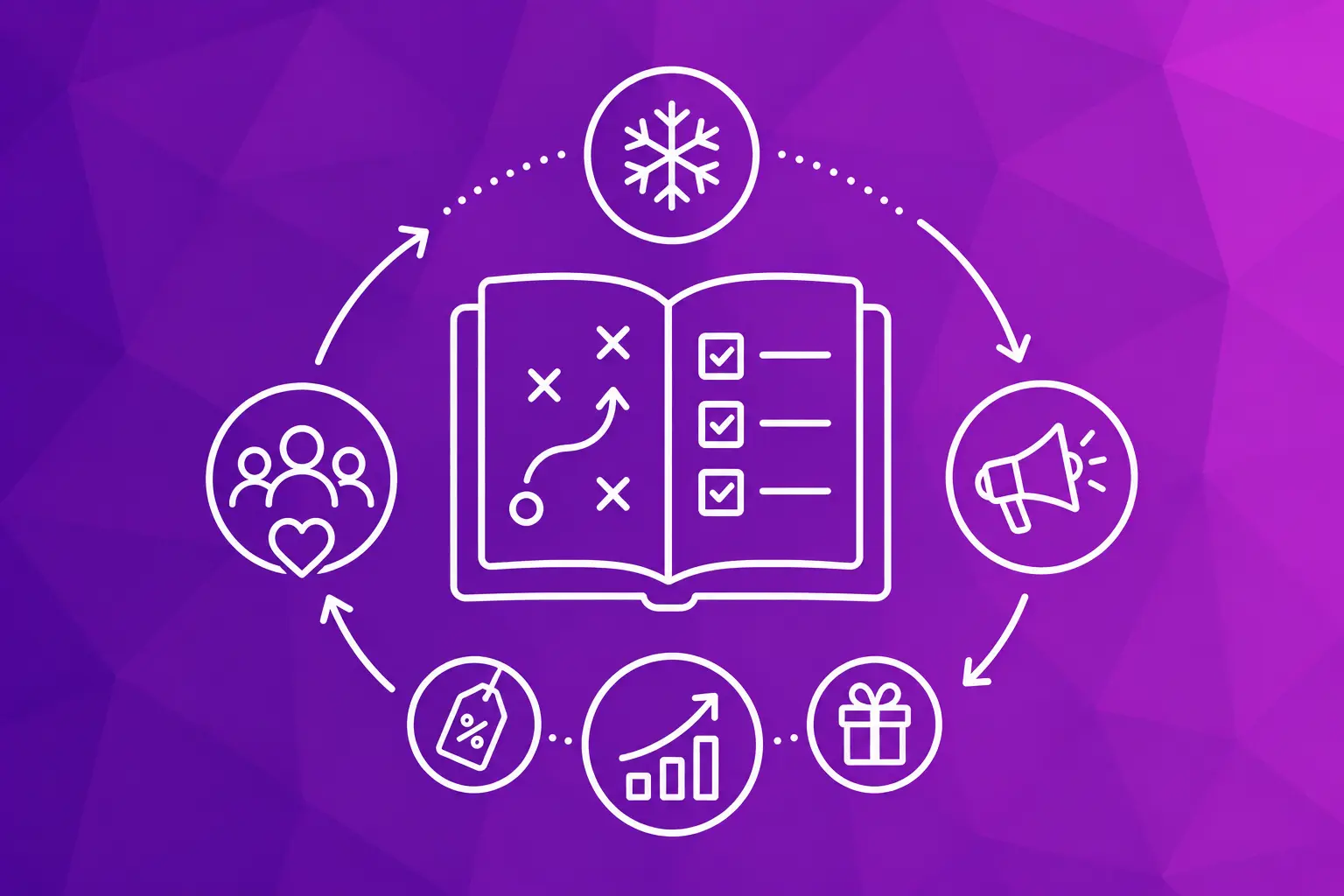
The pattern is simple. Automate the logistical. Protect the relational.
Audit your week and list every task that does not require your expertise or your presence. Those are your automation candidates. Everything that requires eye contact, intuition, or empathy stays with you.
A Practical Example: Reclaiming Your Client Time
Imagine you are spending a big share of your week on admin: manually sending appointment reminders, writing follow-up emails, updating a spreadsheet of client preferences, and chasing down clients who missed appointments.
Start by setting up automated email reminders, then a post-treatment follow-up sequence, and move client preferences into your client notes. Track your admin hours again after a month. Planning math with your own numbers: if you free up 5 hours a week and book them at $130 per session, that is $650 a week.
Then decide what to do with the rest of the time you get back. One option is to spend a few extra minutes per client on consultation. You do not become less human by automating. You become more available.
Common Mistakes When Introducing Automation
1. Automating Client Communication That Should Be Personal
Sending an automated email when a long-time client has a medical concern is the wrong move. Any communication that requires empathy, nuance, or sensitivity should come directly from you. Reserve automation for routine touchpoints, not emotional ones.
2. Setting It and Forgetting It
Automation needs periodic review. If your reminder emails still reference your old location or your follow-up sequence mentions a service you retired six months ago, that damages trust. Review your automated sequences quarterly.
3. Over-Automating the Booking Experience
Clients should be able to book easily online, but if every interaction is automated--no personal touch at any stage--the experience starts to feel transactional. Balance self-service booking with personal touches at key moments. Our deep dive into treatment automation systems explores where the line is between efficient and impersonal.
4. Not Telling Clients What to Expect
If a client receives a post-treatment email and does not know it was coming, it can feel generic. A simple "I will send you a follow-up email in a couple of days to check on your skin" during checkout turns an automated message into an expected, welcome touchpoint.
How to Introduce Automation Without Losing Your Identity
Follow these steps to bring automation into your spa while preserving the personal experience your clients love.
Step 1: Identify your biggest time drain. Track your tasks for one week. What eats the most time that does not require your hands or your expertise?
Step 2: Start with one automation. Do not overhaul everything at once. Begin with appointment reminders--they are the highest-impact, lowest-risk automation.
Step 3: Personalize the templates. Use your voice in automated emails. Write them the way you speak. Include the client's first name and reference their upcoming service.
Step 4: Layer in follow-ups. Once reminders are running smoothly, add post-appointment follow-up emails. A simple "How is your skin feeling after your peel?" goes a long way.
Step 5: Review and refine monthly. Read through your automated messages every month. Update anything that feels stale or inaccurate. Ask a trusted client for feedback on the tone.
Step 6: Protect your signature moments. Write down the three to five moments in your client experience that must always come from you. Post them where you can see them. Those are your non-negotiables.
As the AI tools for estheticians guide explains, the best technology works in the background so you can work in the foreground.
Write your automated emails in first person and read them aloud before activating. If it sounds like something you would actually say, it will feel personal to your clients.
FAQ
Q: Will my clients notice that reminders and follow-ups are automated? A: Clients mostly care whether it sounds like you, not how it was sent. The key is writing templates that sound like you, not like a corporation. Use first person, keep it warm, and reference specific details when possible.
Q: What if a client replies to an automated email? A: That is a good sign--it means the email felt personal enough to warrant a response. Make sure your automated emails come from an address you monitor so you can reply promptly and personally. This is where automation hands the conversation back to you.
Q: How much time does automation realistically save per week? A: It depends on how much of that work you do by hand today. Track your admin for one week first. If automating reminders and follow-ups gives you back 5 hours and your rate is $120 per hour, that is $600 in potential revenue you can recapture by filling those hours with appointments.
Q: Can automation actually improve the client experience? A: Yes. Clients who receive timely reminders are less likely to miss appointments. Clients who receive follow-ups feel cared for between visits. Consistency is a form of care, and automation is what makes consistency sustainable when you are a team of one.
Q: Where should I draw the line on automation? A: Automate anything repetitive, logistical, or time-based (reminders, follow-ups, intake forms). Keep anything relational, emotional, or clinical in your own hands (consultations, sensitive conversations, personalized treatment adjustments). If a task requires your judgment or your empathy, it stays with you.
Automation Is Not the Opposite of Care
The estheticians who thrive are not the ones who avoid technology. They are the ones who use it strategically so they can pour more of themselves into the moments that matter. Automation handles the scheduling, the reminders, and the follow-ups. You handle the eye contact, the skin assessment, and the conversation that makes a client feel seen.
That is not losing the human touch. That is protecting it.
Automate the admin. Protect the connection. SpaSphere helps you do both.