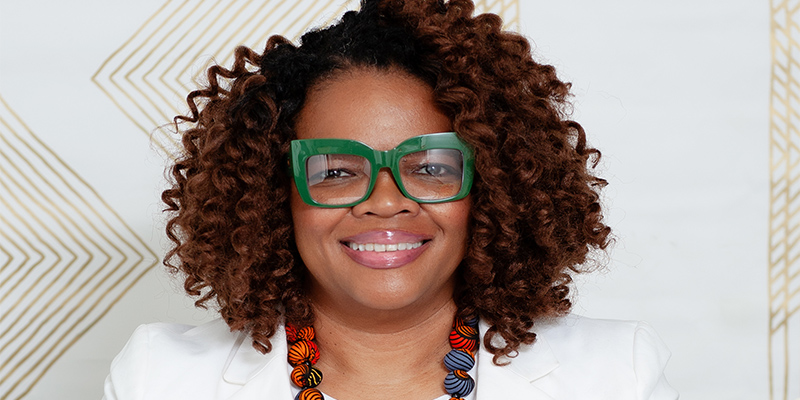
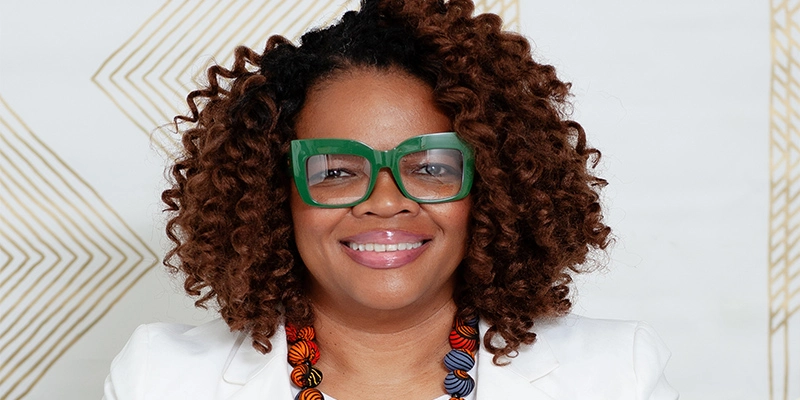
This is a guest blog by Dr. Sherrie Tennessee, Ph.D., CHE - founder of SpaSOS, author of How to Open a Wellness Center: 31-Day Guide, and a researcher and educator in wellness tourism and innovation.
Artificial intelligence is no longer a future concept in the spa industry. It is already here, quietly influencing how spa businesses operate, how clients engage, and how decisions are made behind the scenes.
And yet, for many estheticians, massage therapists, spa owners, and wellness professionals, AI still feels distant. Technical. Perhaps even unnecessary in an industry built on human connection.
That perception is understandable, but it is also limiting.
Because the real story of AI in the spa industry is not about replacing the human touch - it is about refining it through smarter systems, better data, and more intentional service delivery.
Moving Beyond the Misconception
The spa experience has always been defined by presence, attentiveness, intuition, and care. These are not things technology can replicate, nor should it attempt to.
What artificial intelligence in spa operations does, however, is something equally valuable. It removes the friction around that experience.
Think about the hours spent managing spa scheduling, tracking client preferences, analyzing performance, or trying to anticipate demand. These are essential tasks, but they are also time-consuming and mentally taxing. They represent cognitive labor - the invisible work that keeps a spa business running.
AI-powered spa management systems are designed to handle that layer.
They process patterns. They organize information. They anticipate needs before they become problems.
And in doing so, they give time back to the people who deliver the experience.
Where AI Is Quietly Transforming the Spa Business
The most important shift is not visible to the client. It is operational.
AI in the spa industry is helping businesses make smarter decisions about booking optimization, staff scheduling, service performance, and ROI. It identifies patterns that would otherwise go unnoticed, such as peak booking times, client return cycles, and purchasing behaviors.
This is not about automation for the sake of efficiency. It is about precision.
When a spa management system understands your business at that level, you are no longer reacting. You are operating with intention.
At the same time, AI is reshaping how personalized wellness experiences are delivered. What was once dependent on memory or manual notes can now be supported by intelligent systems that track preferences, recommend services, and create continuity across visits.
The result is subtle but powerful. Clients feel seen, remembered, and understood.
The Balance Between Technology and the Human Touch
There is a concern in the spa and wellness industry that introducing technology may dilute the essence of care.
In reality, the opposite is true.
When administrative burden is reduced and data supports decision-making, spa professionals can return to the core of their work. They are more present, more focused, and less overwhelmed.
The client experience becomes more human, not less.
The most successful spa businesses moving forward will not be those that resist spa technology trends, but those that integrate them thoughtfully - creating a balance between high-tech efficiency and high-touch service.
Why AI Matters for Modern Spa Businesses
The expectations of today's wellness consumer have evolved.
Clients are looking for spa experiences that are not only relaxing but also seamless, personalized, and consistent. They expect businesses to remember them, anticipate their needs, and operate with the precision that reflects modern service standards.
At the same time, spa owners are navigating increasing operational complexity, including staffing challenges, rising costs, and the need to remain competitive.
AI for spa businesses sits at the intersection of these realities.
It offers a way to improve spa efficiency, increase client retention, and enhance the overall guest experience - without sacrificing quality.
A Strategic Perspective on the Future of Spa Technology
What we are witnessing is not a temporary shift in spa operations. It is a long-term evolution.
The spa industry is moving toward a model where:
- decisions are informed by spa analytics and data insights
- experiences are shaped by personalized wellness technology
- intelligent systems support operations
But the foundation remains unchanged.
Wellness is still about connection. Service is still about care. Transformation is still deeply human.
AI provides the infrastructure to support that work at a higher level.
Final Thought
The question is no longer whether AI belongs in the spa industry.
The question is how spa leaders will choose to use it.
Those who approach AI as a tool for replacement will miss the opportunity. Those who approach it as a tool for refinement will redefine what excellence looks like in modern wellness.
At its best, artificial intelligence in the spa industry does not change the essence of the experience.
It allows it to operate with greater clarity, intention, and impact.
And that is where the future of spa and wellness is headed.